
 Tizanidine Withdrawal: Symptoms and Recovery Strategies
Recognizing Early Signs of Abrupt Muscle Relaxant Discontinuation
One morning you notice tightness and jittery hands; what feels minor may be the first sign of stopping a muscle relaxant. Early sensory shifts are often subtle but noticable.
You might feel tremor, increased pain, sweating or rapid heartbeat within days. Mood swings and irritability can accompany physical changes, creating a feedback loop that amplifies distress.
If these signals appear, contact your clinician promptly; abrupt stoppage can progress. Early recognition enables safer taper planning and reduces the risk of a more severe occurence.
| Common Signs | Onset |
|---|---|
| Tremor, sweating | Within days |
Common Physical Reactions: What to Expect and Why

When someone stops tizanidine, muscles can rebel with stiffness, spasms and a return of underlying pain that feels sharper than before.
Headaches, sweating and tremor often follow because the body adjusts neurochemistry; heart rate or blood pressure shifts are not unheard of and should be monitored and lightheadedness can occur. Sleep disruption and digestive upset are common and can be distressing.
Fatigue and sleep loss amplify perception of discomfort, and mood swings may be more Noticable, though symptoms usually ease with a gradual taper, medical guidance, hydration and gentle movement.
Emotional Turmoil and Sleep Disruption during Tapering
When you start tapering off tizanidine, nights can suddenly feel unpredictable and oddly long. Anxiety may rise, mood swings flare, and sleep fragments into short, restless episodes. Vivid dreams or early morning awakenings are common as your nervous system rebalance, and frustration about fatigue can deepen emotional distress. Acknowledging these reactions as real, biologically driven responses helps you stay grounded and seek practical support rather than blame yourself and guidance.
Practical steps ease the upheaval: maintain a consistent sleep schedule, limit caffeine late in the day, and practice relaxation techniques like breathing or progressive muscle relaxation. Occassionally short-term, clinician-prescribed sleep aids or anxiolytics can bridge difficult nights, but discuss risks and timing. Daytime exercise, light exposure on waking, and social connection reduce isolation and regulate mood. Keep your prescriber informed so tapers stay safe and adjustments can be made compassionately.
Medical Risks of Abrupt Stoppage and Essential Precautions
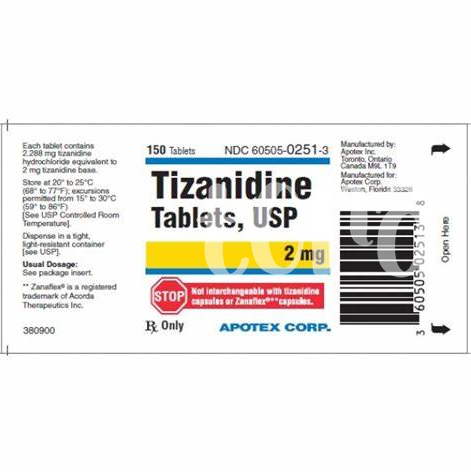
Stopping tizanidine abruptly can feel disorienting; early physical responses—tremor, increased spasticity, and rapid heartbeat—often arrive suddenly and demand prompt attention from clinicians and carers and family members too.
More severe complications include hypertension, delirium, and rarely seizures; these effects may mimic panic or withdrawal anxiety. Occassionally patients need urgent stabilization in hospital often requiring close monitoring there.
Precautions are straightforward but vital: consult your prescriber before stopping, use a gradual taper plan, review drug interactions, and monitor blood pressure and heart rhythm regularly with clinicians.
Have an emergency contact and written plan detailing warning signs and when to seek care; alternatives or bridging medications can be discussed, and supportive follow-up helps recovery unfold safely gradually.
Practical Tapering Strategies Backed by Clinician Advice
Start by consulting your prescriber to map a gradual reduction, with small decrements over weeks to reduce rebound spasticity. Clinicians often suggest dose splits, alternating days, or 10–25% decreases adjusted to symptoms. Track sleep, mood and pain; bring notes to appointments so decisions are evidence driven.
Complement medical guidance with practical steps: keep a medication log, plan gentle movement, hydrate and prioritise sleep hygiene. Be cautious of abrupt stoppage and report new symptoms immediately. Teh aim is steady progress; many patients taper tizanidine successfully with clinician support.
| Week | Action |
|---|---|
| 1–2 | Reduce 10–25% |
| 3–4 | Reassess & adjust |
Holistic Recovery: Sleep, Nutrition, Movement, and Support
Recovery is less a sprint than a careful conversation with your body: prioritize restorative sleep, gentle movement and steady meals to rebuild resilience. Establish a wind-down routine, dim lights, and avoid stimulants; sleeping patterns will slowly normalize as nervous system tone stabilizes. Nourish with protein, hydrate, and include magnesium and B vitamins unless advised otherwise—these support muscle recovery and mood, though benefits are occassionally subtle.
Movement should be gentle—short walks, stretching, and guided physiotherapy rebuilds strength without provoking spasm. Social support matters: tell a friend or clinician your plan, and schedule small goals. Track sleep and food to spot patterns and avoid isolation; seek urgent care for severe withdrawal signs. Work with your prescriber to taper safely and use coping tools like breathing, mindfulness, and structured rest to aid recovery, and journal daily progress each day. DailyMed label PubMed search