
 Celexa Withdrawal: Recognizing Symptoms and Help
Spotting Common Antidepressant Discontinuation Symptoms Early
I noticed the first changes slowly: a flicker of dizziness and a sudden mood wobble that felt out of proportion and mild focus loss.
Sleep shifts and vivid dreams crept in for a few days, alongside brief panic spikes that surprised me on calm days.
Physical jolts — electric sensations, nausea, or flu-like achiness — sometimes matched the emotional turbulence, signaling the need to pause and reassess at times.
Tracking symptoms daily and sharing patterns with a clinician helped me catch escalation early and choose safer tapering steps and support.
| Symptom | Example |
|---|---|
| Dizziness | Lightheadedness |
| Sleep | Vivid dreams, insomnia |
| Emotional | Anxiety, irritability |
Emotional and Physical Signs to Watch Closely

When stopping celexa, many notice sudden mood swings and irritability that feel louder than usual, signaling early emotional shifts and restless nights.
Physical sensations can include dizziness, flu-like aches, tingling, or electric shock sensations that surprise patients and complicate daily routines and disturb concentration too.
Sleep patterns often shift: insomnia, vivid dreams, or hypersomnia create stress and worsen cognitive fog; track changes to inform clinicians about timing.
Emotional swings can escalate to panic, tearfulness, or numbness; seek timely support, especially if symptoms impair work, relationships, or daily safety and mobility.
Timeline: When Symptoms Start and Often Resolve
After stopping or reducing celexa, many people notice initial sensations within days—lightheadedness, sleep changes, or brief “brain zaps.” For some those symptoms emerge within 48–72 hours; for others it can take a week or two. Intensity often peaks in the first one to three weeks, and early tracking helps distinguish withdrawal from relapse.
Recovery timelines vary: mild cases may resolve in a few weeks, while more protracted withdrawal can linger for months. Gradual tapering, symptom journaling, sleep hygiene, hydration, and professional support shorten the course for many. If symptoms persist beyond a few months or worsen suddenly, seek medical advice to reassess treatment and safely manage lingering effects and consider peer support groups or counseling.
Risk Factors That Increase Withdrawal Likelihood and Severity
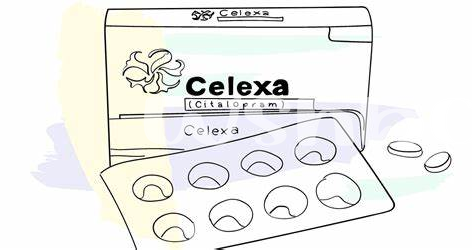
She remembered months on celexa and assumed quitting would be simple; abrupt changes proved otherwise. Symptoms arrived like unexpected storms, confusing her.
Higher doses, long-term use, and prior withdrawal episodes raise the odds of intense symptoms and rapid dose reductions worsen outcomes.
Biological factors such as age, metabolism, and genetic sensitivity, plus co-occurring anxiety or other medications, amplify risk. Chronic alcohol or benzodiazepine use further complicates recovery.
Understanding these elements helps tailor tapering plans and prompt help if warning signs emerge. Seek clinician guidance early to reduce prolonged distress now.
Practical Tapering Strategies and Coping Techniques Explained
I remember the first nervous nights after reducing celexa; gentle tapering eased the shock. Slow dose reductions, guided by a clinician, help the brain adapt and reduce sudden rebound.
Practical steps include weekly or biweekly decreases, keeping a symptom diary, and using small pill fractions or liquid forms. Mindful breathing, sleep hygiene and steady routines stabilize mood.
If discomfort persists, consult your prescriber: temporary pauses, slower tapers, or symptom-targeted treatments can be added. Peer support and clear plans reduce fear and promote confidence during transition and involve family when appropriate.
When to Seek Help: Red Flags and Resources
Imagine waking to uncontrollable panic, vivid suicidal thoughts, or fainting spells — clear red flags needing immediate attention. If withdrawal rapidly worsens, disrupts daily life, or causes severe chest pain, shortness of breath, seizures, or inability to eat or sleep, seek emergency care without delay.
Contact your prescriber or primary care provider promptly; if unavailable call crisis lines or emergency services. Keep a symptom diary, bring medications and dosages to appointments, involve a trusted friend, and consult a pharmacist or peer support group for tapering guidance and coping techniques immediately.