
 Furosemide in Heart Failure: Evidence and Guidelines
Mechanism of Furosemide and Its Physiological Effects
At the nephron’s thick ascending limb, furosemide blocks the Na+-K+-2Cl− cotransporter, preventing reabsorption of solutes and driving brisk natriuresis and diuresis. Fluid removal lowers intravascular and pulmonary congestion within hours, translating to rapid symptomatic relief for dyspnea and orthopnea.
It also produces immediate venodilation that can reduce preload before significant diuresis occurs; combined with volume loss, this can lower cardiac filling pressures and improve cardiac output in many patients. However, heightened RAAS and sympathetic activation may follow, and electrolyte losses—especially potassium, magnesium, and calcium—require vigilance.
Clinically this means relief of congestion and improved symptoms but necessitates close monitoring: renal function, electrolytes, blood pressure, and signs of overdiuresis. Dosing and route affect onset and intensity, so titration guided by response and labs optimizes benefit while minimizing hypotension, acute kidney injury, and arrhythmia risk. Educating patients on adherence and symptom monitoring helps.
| Physiologic Effect | Clinical Consequence |
|---|---|
| Natriuresis/Diuresis | Reduced preload; less pulmonary congestion |
| Venodilation | Early fall in filling pressures |
| Electrolyte loss | Hypokalemia, hypomagnesemia, altered calcium balance |
Clinical Evidence for Symptom Relief and Outcome Impact

Patients often describe rapid relief when congestion eases, and trials consistently show furosemide improves dyspnea and fluid balance. While symptom relief is clear, randomized data linking loop diuretics to long-term mortality reduction are limited, so benefits are chiefly symptomatic and hemodynamic in most trials reported.
Observational cohorts suggest higher diuretic doses associate with worse outcomes, likely reflecting sicker patients rather than drug harm. Some studies show no mortality increase after adjustment. Therefore clinicians prioritize decongestion while minimizing electrolyte and renal injury, tailoring furosemide dosing to response and reassessing frequently thereafter.
Dosing Strategies, Routes, and Practical Administration Tips
In practice, clinicians start with low oral doses and carefully titrate based on diuresis, weight, and symptoms; furosemide response often guides escalation thereafter.
Intravenous bolus for acute needs, continuous infusion for steadier diuresis; remember oral bioavailability varies and resistance may require higher intravenous dosing strategies.
Monitor renal function, sodium, potassium, and urine output closely; adjust doses to avoid hypotension or overdiuresis and schedule dosing to minimize nocturia.
Combine with thiazide-type agents for diuretic resistance, educate patients about daily weights, sodium restriction, promptly report dizziness or hearing changes with high doses.
Monitoring, Laboratory Tests, and Preventing Common Adverse Effects
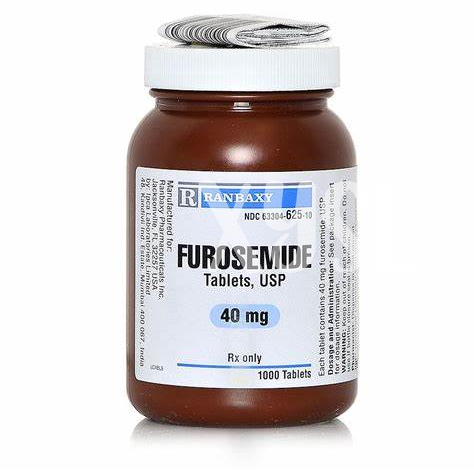
Regular checks of electrolytes, renal function, and weight create a safety net for patients on furosemide. Early detection of hyponatremia, hypokalemia, or rising creatinine prevents progression to symptomatic imbalance.
Baseline labs guide dose adjustments and inform diuretic sequencing; repeat testing after dose changes or deterioration is essential. Point of care weights and urine output trends help tailor therapy.
Preventive steps include potassium supplementation when indicated, cautious titration, and patient education about orthostatic symptoms and thirst. Coordination with multidisciplinary teams reduces rehospitalization risk. Frequent follow-up allows timely intervention and safer outcomes.
Use in Acute Decompensated Heart Failure Settings
In the chaotic moments of acute decompensation, clinicians reach for rapid relief: intravenous furosemide remains the frontline agent to unload congested lungs and improve dyspnea. Early, effective diuresis can stabilize hemodynamics, ease ventilatory demand, and create a window for targeted therapies. Titration should balance symptomatic improvement against renal impact, guided by urine output and clinical signs rather than fixed timelines.
Practical strategies include bolus versus continuous infusion, frequent reassessment, and early natriuretic monitoring when available. Combine diuresis with vasodilators or inotropes as indicated for perfusion compromise, and anticipate electrolyte and renal function shifts. Clear documentation and communication with nursing staff optimize dosing intervals and mitigate risk while focusing on patient-centered outcomes and support long-term recovery.
| Strategy | Consideration |
|---|---|
| IV bolus | Rapid onset; variable duration |
| Continuous infusion | Smoother diuresis; may reduce peak renal stress |
Guideline Recommendations, Controversies, and Clinical Judgment
Guidelines endorse loop diuretics as first-line therapy to relieve congestion, emphasizing symptom control and volume optimization while acknowledging limited evidence for mortality benefit. They recommend individualized dosing, frequent reassessment, and combination strategies for diuretic resistance. Trial data are imperfect, so clinicians often blend evidence with pragmatic goals: prompt symptom relief, avoidance of excessive renal injury, and prevention of readmission.
Controversies persist about continuous versus bolus administration, optimal escalation pathways, and sodium restriction in advanced disease. Practical judgment integrates patient trajectory, biomarkers, urine output, and response to therapy. Shared decision-making with patients about goals of care, balancing congestion relief against electrolyte and renal risks, remains central to safe, effective diuretic stewardship across inpatient and outpatient settings.