
 Mobic Interactions: Drugs and Foods to Avoid
Medications That Raise Bleeding and Ulcer Risks
When an ordinary prescription joins other medicines, the result can be surprising: increased bleeding and stomach ulcers. Patients often miss that combining common drugs raises these risks. A short review with a clinician can catch dangerous mixes early.
Blood thinners, nonsteroidal anti-inflammatories and some antidepressants are frequent culprits. Over-the-counter remedies and supplements can silently add to the danger.
Watch for signs: black tarry stools, vomit resembling coffee grounds, sudden bruising, or prolonged bleeding from minor cuts. Report these immediately to prevent serious outcomes.
Clinicians can adjust doses, switch medicines, or recommend protective agents like proton pump inhibitors. Always share a complete list of prescriptions, supplements and OTC drugs at each visit and improve outcomes fast.
| Drug | Risk |
|---|---|
| Warfarin | Major bleeding |
| Ibuprofen / Naproxen | Gastric ulcers, bleeding |
Drugs That Amplify Kidney Damage and Toxicity
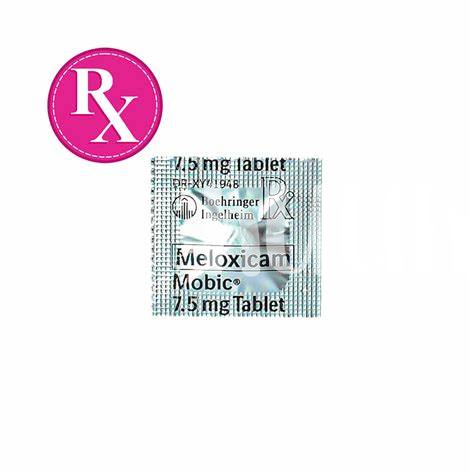
She reached for mobic to quiet the ache after surgery, unaware a simple pill could nudge fragile kidneys toward trouble.
Nonsteroidal anti‑inflammatories, ACE inhibitors, ARBs, diuretics, certain antibiotics and radiographic contrast agents can raise toxicity risks, especially when combined, including the triple whammy combinations.
Watch for reduced urine, swelling, dizziness or sudden fatigue; rising creatinine and potassium on labs signal worsening injury.
Stay hydrated, inform clinicians about all prescriptions and supplements, avoid mixing OTC NSAIDs with other nephrotoxins, and get regular kidney tests; seek urgent care if symptoms rapidly worsen.
Blood Pressure Drugs Hidden Interaction and Danger Signs
When I started taking mobic for joint pain, my doctor warned me about subtle clashes with blood pressure meds.
NSAIDs can blunt the effects of ACE inhibitors, ARBs, beta blockers and diuretics by promoting sodium retention and reducing renal prostaglandins.
These interactions may quietly raise blood pressure or precipitate kidney stress; watch for swelling, sudden weight gain, less urine output, dizziness, or shortness of breath.
Review all drugs and supplements with your clinician, also regularly have periodic BP and kidney testing, and seek prompt care if you notice concerning signs.
Supplements and Herbs That Worsen Side Effect Profiles
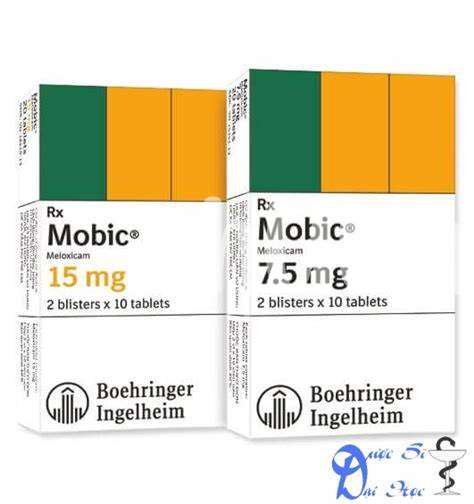
When taking mobic, herbal supplements can change how you feel. Popular choices like ginkgo, garlic, ginger, turmeric, and high-dose fish oil have blood-thinning effects that can amplify bleeding or stomach ulcer risk.
St. John's wort may alter meloxicam metabolism, undermining pain control or unpredictably shifting side effects, while licorice and cascara can stress kidneys and electrolytes when combined with NSAIDs.
Some weight-loss supplements and herbal detox products often contain stimulants or unlabeled compounds that raise blood pressure or strain the liver, increasing the chance of adverse reactions with mobic.
Tell your clinician about herbs and OTC supplements; stopping an herb before a procedure or spacing doses can reduce interactions and protect stomach, kidneys and bleeding.
Alcohol and Certain Foods Fueling Gastrointestinal Problems
Even a single drink can feel harmless until you’re on medications like mobic; a late-night beer once turned a friend’s stomach ache into a week of pain. Alcohol thins the gastric lining and increases acid, potentiating NSAID-related irritation.
Spicy meals, citrus fruits, and caffeine can amplify burning, while greasy foods delay emptying and worsen nausea. When combined with mobic, the risk of ulcers, reflux, and visible bleeding rises—watch symptoms and seek timely help.
| Item | Risk |
|---|---|
| Alcohol | Erosions, bleeding |
| Spicy/Citrus | Heartburn, irritation |
Practical steps include taking mobic with meals, avoiding binge drinking, and steering clear of trigger foods when sore. Drink water, limit caffeine, and monitor stools for dark color or vomiting blood. If you notice persistent abdominal pain, dizziness, or fainting, stop the drug and contact a clinician immediately—these are red flags requiring urgent evaluation. Carry emergency contact information always.
Practical Timing Tips to Minimize Dangerous Drug Interactions
Imagine juggling medication bottles like clockwork: spacing doses can dramatically lower interaction risks. Take NSAIDs at consistent intervals and avoid taking them simultaneously with blood thinners, diuretics, or high-dose supplements. If you must use an interacting drug, stagger doses by at least two to four hours when safe, and follow prescription labels. Always consult a pharmacist about specific timing—small adjustments often prevent big problems.
For kidney protection, take nephrotoxic drugs separately from NSAIDs and stay hydrated throughout the day; aim for morning dosing of diuretics and evening timing for medications that spike blood pressure at night only if advised. Use a pill organizer and smartphone reminders to maintain spacing, and check with your clinician before changing schedules, especially when starting or stopping other medications or herbal products. Record symptoms after changes to recognize adverse reactions early and seek care promptly.