
 Modalert Microdosing: Claims, Evidence, and Safety Concerns
What Is Modalert Microdosing and Why Try?
A quiet morning, a single pale tablet, and the hope of clearer focus: that image captures why some people try microdosing Modalert. Derived from modafinil, Modalert is prescribed for narcolepsy and shift-work sleep disorder, but between patients and biohackers it’s been adopted in smaller-than-therapeutic doses to nudge attention and wakefulness without full stimulant effects.
Advocates describe subtle benefits — steadier concentration, faster task starts, and fewer mental lapses — while aiming to avoid jitteriness or sleep disruption that higher doses can bring. Microdosing is framed less as a quick high and more as functional optimization: tiny, regular adjustments intended to sharpen daily performance.
Curiosity, pressure to perform, and anecdotal success stories drive experimentation, yet motivations vary widely and safety evidence is incomplete. Anyone considering this approach should weigh potential gains against unknowns and consult a clinician before altering prescription medications.
| Aspect | Quick note |
|---|---|
| Purpose | Enhance focus with lower-than-prescription doses |
Popular Claims: Cognitive Boosts and Productivity Gains

Many users describe microdosing modalert as a subtle morning ritual: smaller, steady doses purportedly sharpen focus, reduce procrastination and sustain motivation without jittery stimulation. This anecdotal narrative frames modalert as a productivity hack for writers, coders and students seeking extended attention spans during complex tasks.
Advocates also claim improved working memory, faster problem-solving and heightened creativity, reporting fewer distractions and smoother workflow. Controlled evidence is limited, yet these consistent testimonials fuel workplace interest and startup culture buzz around microdosing regimens, encouraging experimentation despite variability in individual responses and variable outcomes.
Scientific Evidence: Human Studies and Anecdotal Reports
In small clinical trials and lab studies, researchers have tested modalert’s wakefulness effects, but microdosing specifically remains poorly defined. Participants often report clearer focus and reduced fatigue after low doses, yet placebo-controlled data are limited and results vary across populations and tasks.
Anecdotal reports flood online forums: users describe bursts of productivity, improved mood, or enhanced creativity. These narratives are valuable for hypothesis generation but susceptible to expectancy bias, inconsistent dosing, and concurrent stimulants, making causation difficult to establish without rigorous methodology.
To bridge gaps, future randomized controlled trials must test standardized low-dose schedules, objective cognitive batteries, and long-term follow-up. Clinicians should weigh preliminary findings against safety unknowns when patients report microdosing with modalert, and users should prioritize transparent sourcing, medical consultation, and careful self-monitoring while science catches up. Objective biomarkers and larger samples are essential for making reliable conclusions.
Dosages, Timing, and Typical Microdosing Protocols
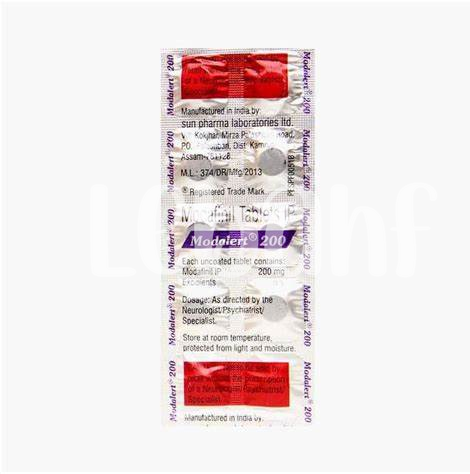
Anecdotally, people experimenting with modalert often start low, splitting tablets to find a subtle uplift without full stimulation. Reported amounts range from about 25 to 100 mg, with many favoring 50 mg as a conservative entry point. Timing usually aligns with morning routines to avoid sleep disruption.
Common experimental schedules include daily low doses, alternate-day use, or brief cycles with rest weeks to limit tolerance. Because formal guidance is lacking, users are advised to log effects and consult a clinician before regular use; safety and interaction risks make supervision prudent.
Short-term Effects Versus Long-term Health Risks
Early users often report a quick lift in focus and wakefulness after a small dose, and stories about using modalert to power through creative or deadline work are common. That vivid immediate clarity can feel like a pragmatic hack against fatigue.
Measured benefits in small trials include faster reaction times and improved vigilance, yet effects vary widely and placebo responses are large. Short-term adverse effects — jitter, increased heart rate, anxiety, and insomnia — appear in some users and may undermine productivity. Most evidence is from acute dosing; long-term adaptations and cumulative harms remain poorly characterized.
Given uncertainty, cautious strategies include limiting frequency, tracking sleep and mood, and consulting clinicians if cardiovascular risk or psychiatric history exists. Relying on informal reports risks overlooking rare but serious outcomes. Until long-term studies exist, weighing immediate benefits of modalert against unknown cumulative harms is prudent.
| Effect | Typical onset |
|---|---|
| Focus | Immediate |
| Sleep disruption | Hours |
Legal Status, Quality Control, and Safety Precautions
Laws differ widely: in some countries Modalert requires a prescription, while in others online vendors supply imported pills and enforcement varies, creating legal gray areas for users.
Quality varies; fake or substandard tablets circulate, so look for reputable pharmacies, third-party batch testing, and clear labeling—avoid unknown suppliers and be wary of suspiciously low prices.
Start with conservative microdoses, track effects carefully, and never mix with alcohol or stimulants; interactions with antidepressants, blood thinners, and heart drugs can be hazardous.
Consult a clinician beforehand if you have medical conditions, stop immediately for serious side effects like rash or chest pain, and treat sourcing and dosing as medical decisions, not casual experiments. Seek urgent care when necessary.