
 Neurontin and Addiction: Risks, Myths, and Facts
What Gabapentin Is and How It Works
I remember my consultation: a nervous patient seeking relief from relentless nerve pain. I explained how it targets overactive signals rather than inflammation, offering a quieter nervous system. Its onset can be gradual, so patience matters; benefits often build over days to weeks with steady dosing.
It binds to calcium-related channels to reduce excessive neurotransmitter release, which eases seizures and neuropathic pain. Though not addictive in classic opioid terms, misuse and dose escalation can lead to dependence and side effects, so clinicians monitor symptoms and adjust treatment carefully over time.
| Primary Use | Typical Effect |
|---|---|
| Neuropathic pain | Reduces excitatory neurotransmitter release |
Recognizing Signs of Dependence and Withdrawal
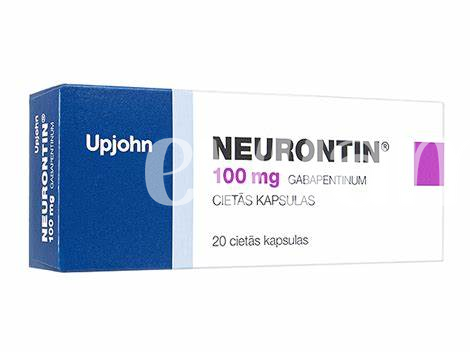
She noticed sleep evaporating, heart racing, and a persistent itch of unease after missing doses of neurontin, signaling early physical reliance and habit.
Behavioral changes can include social withdrawal, irritability, neglecting responsibilities — clues that psychological dependence may be developing, including intense drug-seeking thoughts between doses.
Stopping suddenly often produces flu-like symptoms, tremors, nausea, and mood swings; severe cases may cause seizures without medical supervision or rare hallucinations.
If cravings, worsening anxiety, or physical symptoms appear, consult a clinician promptly; tapering plans, monitoring, and support reduce risks and improve recovery outcomes.
Dangers of Mixing Gabapentin with Other Substances
At a crowded gathering Maria popped her prescribed neurontin after a cocktail, thinking it harmless; within an hour she felt unnaturally drowsy and disoriented. Gabapentin can amplify the effects of alcohol, benzodiazepines, and opioids, producing dangerous sedation, slowed respiration, and impaired coordination. When combined with opioids the risk of fatal respiratory depression rises substantially, and with other depressants even a typical dose can become unsafe.
Illicit drugs add unpredictable chemistry: stimulants may hide sedative effects leading to risky doses, while combining neurontin with opioids is a known pattern in overdose cases. High doses can produce euphoria and contribute to misuse or worsen withdrawal when stopped abruptly. Always tell clinicians about all substances you take, avoid self‑mixing, and seek immediate help for severe dizziness, breathing difficulties, or loss of consciousness. Addiction services can offer safer tapering and personalized guidance.
Who’s at Higher Risk and Why

Some patients become more vulnerable to dependence when prescribed neurontin, particularly if chronic pain, sleep problems, ongoing stress, or severe anxiety persist.
A history of substance misuse or untreated psychiatric disorders raises odds of misuse, as coping strategies and impulse control may be compromised.
Older adults and those with kidney impairment or multiple medications face higher accumulation and side effects, increasing dependence risk without careful dosing often.
Combining neurontin with opioids or benzodiazepines, younger patients experimenting with substances, and high-dose regimens warrant close supervision and prompt help-seeking from clinicians immediately.
Debunking Common Myths Versus Clear Evidence
Many believe neurontin is harmless and nonaddictive, a myth rooted in early prescribing. The truth is nuanced: while gabapentin has lower classical addiction liability than opioids, misuse, tolerance, and dependence can occur, especially with high doses or long-term use. Clear evidence shows risk varies by context.
Quick checks: clinical data link misuse to prior substance use and higher doses.
| Myth | Evidence |
|---|---|
| Not addictive | Can cause dependence; risk rises with opioids or high dose |
Safer Use Strategies and When to Seek Help
Treat gabapentin the way you would any prescribed medication: take only the dose prescribed, keep a simple log of doses and times, and discuss any side effects or craving-like urges with your clinician. Gradual tapering plans should be used rather than abrupt stopping, and family or support persons can help notice changes.
Avoid combining gabapentin with alcohol, benzodiazepines, or opioids unless a doctor has explicitly cleared it; mixing raises the risks of excessive drowsiness, impaired coordination, and respiratory depression. Always review medications with a pharmacist or prescriber and ask about over-the-counter supplements that might amplify effects.
Seek medical help if you find yourself needing higher doses, experiencing tremors, anxiety, insomnia, or seizure-like activity, or if stopping produces intense flu-like or mood symptoms. Promptly contact your prescriber, an addiction specialist, or emergency services for severe withdrawal, suicidal thoughts, or breathing problems.