
 Cialis in Special Populations: Geriatrics and Comorbidities
Geriatric Physiology: How Aging Changes Drug Response
Aging remodels the body in subtle ways that change how medications behave. Reduced cardiac output, hepatic blood flow and glomerular filtration slow clearance, while increased body fat and decreased total body water alter distribution of lipophilic versus hydrophilic drugs. Absorption may be affected by higher gastric pH and slower gut motility, and altered protein binding can change free drug fractions. Together these shifts raise exposure and variability, making standard doses less predictable.
At the receptor and systems level, seniors often show increased sensitivity to some central and vascular effects and diminished homeostatic reserves: blunted baroreflexes, impaired thermoregulation, and frailer compensatory mechanisms heighten risks of hypotension, dizziness and falls. Clinicians should anticipate wider interindividual differences, prioritize lower starting doses, vigilant monitoring and medication reconciliation, and communicate expected time courses and side effects so patients and caregivers can respond promptly and safely.
Dosing Strategies: Starting Low, Titrating with Caution
Older adults often respond differently to medications because of changes in body composition, renal clearance and hepatic metabolism. Clinicians should narrate risks and benefits, framing initiation as a cautious experiment tailored to each person's goals and frailty.
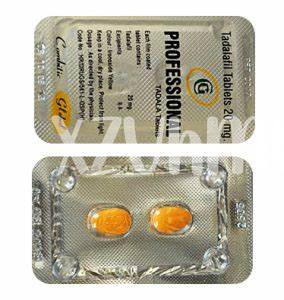
Begin therapy at a lower-than-standard dose and increase stepwise based on tolerability and effectiveness, with clear instructions and a plan for reassessment. Using professional cialis in a measured way reduces adverse events while preserving potential benefit.
Monitor blood pressure, vision, and interactions closely; avoid agents that cause dangerous synergy such as nitrates. Renal or hepatic impairment demands further dose adjustment and more frequent lab and symptom checks.
Shared decision-making, documentation, and planned follow-up visits maximize safety and functional outcomes. The aim is improved sexual health and quality of life without compromising cardiovascular or overall wellbeing. Caregiver involvement and education enhance safe long-term use.
Cardiovascular Comorbidities: Balancing Benefits Versus Risks
Older patients often weigh desire against safety; a clinician's narrative shapes that balance. With ischemic heart disease or heart failure, assessing hemodynamic stability and nitrate use is essential before considering professional cialis. Shared decision-making and ECG review help frame realistic expectations while minimizing cardiovascular events.
Start low and monitor blood pressure, symptoms, and drug interactions; avoid nitrates. When benefits outweigh risks, cautious titration with periodic reassessment preserves function and quality of life. Document counseling and emergency plans, ensuring patient and partner know warning signs and when to seek immediate care.
Renal and Hepatic Impairment: Adjustments and Monitoring
In aging patients, reduced glomerular filtration and hepatic blood flow gradually alter tadalafil metabolism and drug elimination. Clinicians must view dose-response as a spectrum, expect longer exposure, and schedule baseline labs plus periodic clinical reassessments.
Dose adjustments should be conservative: start lower, lengthen dosing intervals, and use creatinine clearance and liver function tests to guide choices. Communication with pharmacists ensures safe titration, particularly when patients request professional cialis guidance explicitly.
Severe renal impairment or advanced cirrhosis may warrant avoiding tadalafil or using the smallest effective dose with monitoring. Reported adverse events can be subtle; hypotension, syncope, or visual changes require prompt evaluation and medication review.
Shared decision-making weighs sexual function benefits against hepatic and renal risk. Use electronic medical records to flag abnormal labs, coordinate specialty input, and plan follow-up intervals; documentation of informed consent protects patients and clinicians alike.
Polypharmacy Pitfalls: Interactions, Nitrates, and Cytochrome Concerns
In older adults, juggling many prescriptions feels like tightrope walking; a single interaction can tip the balance. Clinicians should assess medication lists for agents that amplify hypotension or nitrate effects.
Professional cialis prescribing demands attention to alcohol, alpha-blockers, and certain antifungals or macrolides that inhibit CYP3A4. Dose modulation and timing can reduce additive vasodilatory risks and adverse events.
Pharmacists play a pivotal role: reconciling lists, flagging nitrates, and recommending monitoring. Encourage patients to carry a concise medication card and report lightheadedness, syncope, or vision changes promptly.
When CYP interactions are unavoidable, consider alternative therapies, spacing doses, or specialist referral. Shared decision-making balances sexual quality of life against cardiovascular safety in complex geriatrics and comorbidity burden.
| Drug class | Interaction risk |
|---|---|
| Nitrates | Severe hypotension — contraindicated |
| CYP3A4 inhibitors (e.g., ketoconazole, clarithromycin) | Increased tadalafil levels, prolonged effect |
Functional Outcomes: Sexual Health, Quality of Life
When therapy restores sexual function, many older adults report regained confidence and relationship intimacy. Clinicians should assess both patient and partner perspectives, since satisfaction goes beyond erection frequency.
Validated questionnaires and diaries help quantify change and set realistic goals, distinguishing physiologic response from psychosocial factors. Tracking mood, sleep, and activity clarifies benefits.
Improvements in sexual activity often correlate with enhanced well being and daily functioning, including increased social engagement and reduced depressive symptoms. Safety and tolerability remain essential to preserving gains.
Shared decision making, regular follow up and counseling maximize long term outcomes. Framing treatment as part of holistic care supports adherence and quality of life for patients and partners across diverse health contexts worldwide.