
 Provigil Vs Adderall: Key Differences Explained
How They Work: Mechanisms That Set Them Apart
I remember my first day trying each stimulant: modafinil felt like a clear-headed nudge, amphetamine a sharp, driving push. The difference starts with where and how they act in the brain.
Modafinil targets wakefulness networks, modulating orexin and histamine systems while enhancing dopamine indirectly by weakly blocking reuptake; its diffuse action favors steady, typically mild alertness without intense euphoria or hyperstimulation.
Amphetamines increase synaptic dopamine and norepinephrine by promoting release and blocking reuptake; their targeted catecholamine surge boosts focus but raises arousal and reward signaling often increasing stimulation.
Mechanistic differences explain why modafinil carries lower euphoria and cardiovascular stimulation, while amphetamines deliver stronger wakefulness and cognitive amplification at higher abuse risk requiring careful clinical choice.
| Drug | Primary neural effect |
|---|---|
| Modafinil | Orexin/histamine modulation; weak dopamine reuptake inhibition |
| Adderall (amphetamines) | Promotes catecholamine release; blocks reuptake (stronger dopamine/norepinephrine surge) |
Approved Uses, Off‑label Uses, and Clinical Indications
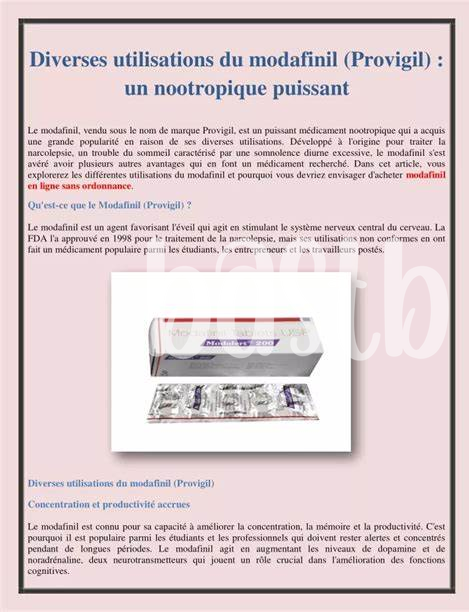
In clinical practice, provigil is prescribed mainly to combat excessive daytime sleepiness tied to narcolepsy, shift‑work sleep disorder, and residual sleepiness in obstructive sleep apnea; its wakefulness-promoting profile has led clinicians to explore off-label roles in ADHD, fatigue from multiple sclerosis, and as an adjunct in depression. Patients often describe the drug as a focused, stabilizing influence rather than a stimulant rush, which helps explain its appeal outside formal indications.
By contrast, Adderall’s approved scope centers on attention-deficit/hyperactivity disorder and narcolepsy, with a powerful dopaminergic and noradrenergic action that accounts for robust efficacy but also higher abuse potential; off-label uses include treatment-resistant depression, cognitive boosting in select populations, and short-term weight management, though these are more controversial. Choosing between them depends on symptom profile, comorbidities, and risk tolerance; clinicians weigh formal indications against real-world needs when tailoring therapy, individually considered.
Speed, Duration, and Typical Dosing Differences Explained
A morning decision can shift your day: stimulants often hit quickly, while wakefulness drugs build more gradually. Personal tolerance and timing preferences influence choice.
Provigil typically begins action within an hour, peaking later and lasting all day; amphetamine formulations peak faster and wear off sooner.
Typical dosing varies: provigil commonly uses 100 to 200 mg once daily; immediate release stimulants use multiple smaller doses.
That timing dictates routines—quick spikes suit short tasks, longer steady wakefulness supports sustained focus and predictable schedules. Cost and side effects also shape timing decisions daily.
Side Effects, Long-term Risks, and Safety Profiles

Comparing common reactions, provigil typically causes headache, nervousness, nausea and insomnia but carries a lower risk of cardiovascular strain than amphetamine-based Adderall, which more often produces increased heart rate, hypertension, reduced appetite, and potential agitation or paranoia at higher doses. Serious allergic reactions like severe rash and rare liver injury have been reported with provigil, whereas Adderall carries clearer risks for arrhythmia, sudden cardiac events in susceptible people, and stimulant-induced psychosis.
For long-term use, clinicians emphasize monitoring: blood pressure, mood changes, sleep patterns, and weight. Provigil shows lower abuse liability and fewer metabolic effects, but long-term hepatic and psychiatric data remain limited; Adderall can lead to tolerance, dependence, weight loss and exacerbation of anxiety or bipolar disorder. Both require individualized risk–benefit assessment, consideration of drug interactions, and prompt medical review for new psychiatric or cardiovascular symptoms, and periodic follow-up recommended.
Addiction Potential, Misuse Risk, and Dependence Likelihood
A patient recounts how small, repeated doses edged from focus aid to ritual; clinicians note provigil’s lower stimulant profile. The storytelling frames risk without alarm, showing context matters.
Adderall often creates more immediate euphoria, raising misuse risk, while modafinil-type drugs usually feel subtler and less reinforcing. Prescribers weigh ADHD severity, prior substance use, and life stressors when assessing misuse likelihood.
| Drug | Dependence |
|---|---|
| Provigil | Lower |
| Adderall | Higher |
Long-term monitoring, patient history, and cautious prescribing curb escalation; counseling and nonpharmacologic strategies remain essential. Regular review reduces progression and protects wellbeing and recovery.
Choosing between Them: Cost, Accessibility, Lifestyle Fit
Think of the choice as practical housekeeping: price and access shape what’s realistic. Brand Provigil (modafinil) often costs more but generic options and armodafinil reduce expense; Adderall generics are widely available and typically cheaper per dose. Insurance coverage varies, and prior authorizations can tilt decisions. Legally, Adderall is a Schedule II stimulant with stricter prescribing and refill limits, while modafinil is less tightly controlled, making it easier to obtain consistent supplies.
Functionally, choose based on daily demands and side‑effect tolerance: Adderall gives stronger, faster stimulation suited to short bursts of focus but carries crash and appetite loss risks; modafinil offers steadier wakefulness with fewer peaks and is preferred for shift work or sustained cognitive effort.