
 Symbicort Vs. Other Inhalers: Comparison and Differences
How Symbicort Works Versus Other Inhaler Mechanisms
Imagine a duo: a fast bronchodilator and a steady anti-inflammatory working together, while many inhalers rely on a single targeted action only.
It pairs an inhaled corticosteroid with a rapid-onset bronchodilator, whereas other inhalers target either obstruction relief or inflammation separately in clinical practice.
Mechanistically, formoterol delivers quick bronchodilation comparable to short-acting agents, while budesonide reduces airway inflammation over time, lowering exacerbation risk versus monotherapy approaches often.
Patients may notice faster symptom relief than steroid-only inhalers, but adherence, inhaler technique, and prescribing context determine whether combination therapy is preferable clinically.
Comparative Effectiveness in Asthma and Copd Control

For many patients, choosing an inhaler is a balance between rapid symptom relief and long-term control. Trials often show combination inhalers like symbicort inhaler provide superior control of exacerbations compared with short-acting bronchodilators alone, while monotherapy inhalers differ in onset and duration. Real-world effectiveness depends on adherence and correct technique as much as pharmacology.
In asthma, corticosteroid–LABA combinations reduce daily symptoms and steroid exposure compared with high‑dose inhaled steroids, and head-to-head studies show modest differences among available combos in lung function and exacerbation rates. For COPD, benefits are more heterogeneous: some patients gain fewer exacerbations with LABA/LAMA combinations, while LABA/ICS like symbicort inhaler can help those with eosinophilic inflammation.
Ultimately comparative effectiveness rests on patient phenotype, inhaler delivery, and consistent use; clinicians should weigh trial data, side-effect profiles, and individual response when selecting therapy. Regular follow-up and monitoring guide adjustments.
Side Effects and Long-term Safety Differences Explained
Patients often describe early relief as welcome reassurance, but it's important to weigh short-term reactions against long-term risks. The symbicort inhaler can cause throat irritation, hoarseness, and oral candidiasis; systemic steroid effects such as reduced bone density or adrenal suppression are uncommon at low doses but may accumulate with prolonged high-dose use. Fast-acting bronchodilators sometimes trigger tremor, palpitations, or anxiety, especially if absorbed systemically.
Monitoring and preventive steps lower risk: rinsing the mouth, using spacer devices, and regular bone density checks for chronic users make safety manageable. Comparative studies suggest combination inhalers balance efficacy and cumulative steroid exposure better than repeated high-dose short-acting therapy, but individual factors—age, pregnancy, comorbidities—change the calculus. Discussing goals and risks with clinicians ensures the safest, most effective long-term plan. Periodic review of inhaler technique and reconsideration of therapy reduces avoidable harms over years in practice.
Dosing Schedules, Inhaler Techniques and Device Usability
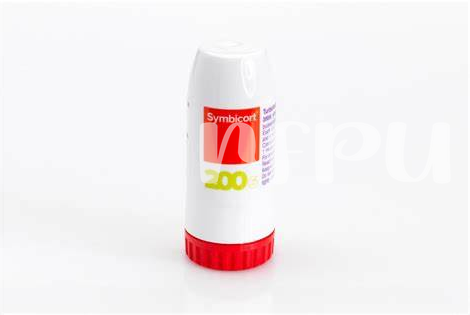
Morning and evening rituals can shape control; using a symbicort inhaler becomes familiar when timing and reminders fit daily life. Establishing consistent dosing prevents gaps that let symptoms return.
Technique matters: slow, deep inhalation with coordinated actuation delivers medication to small airways, while spacers help those with poor hand-breath coordination. Practicing with a clinician reduces errors.
Device design influences adherence. Metered-dose devices, dry-powder inhalers and soft mist options differ in size, required inhalation force, dose counters and cleaning needs, affecting convenience for older adults.
Training, rehearsal and plain instructions improve outcomes. Discuss preferences, dexterity and lifestyle with providers so the chosen device supports correct use and sustained adherence. Small adjustments often yield big practical benefits.
Cost, Insurance Coverage, and Accessibility Considerations
Balancing price, coverage and local availability can feel overwhelming, but a clear-eyed look makes choices easier. For many, the symbicort inhaler may cost more upfront, yet discounts, manufacturer coupons and generic alternatives can narrow gaps. Pharmacy networks and formulary tiers often determine out-of-pocket spending.
Talk with your clinician and insurer about step therapy, prior authorization and patient assistance programs; appeals, shopping around and using mail-order plans may improve access. Remember to factor refill convenience, device training and copay cards into decisions so treatment stays affordable and effective long term soon.
Personalized Selection: Matching Inhaler to Patient Needs
Clinicians often imagine inhaler choice as matchmaking: symptoms, lifestyle and abilities must fit the device. A quick assessment of lung function, inhalation strength and coordination narrows options.
Patient age, dexterity and cognitive status determine whether a metered dose inhaler, dry powder inhaler or nebulizer suits best.
Comorbidities, pregnancy and risk of side effects guide medication class choice; some patients need single inhaled steroids plus bronchodilator, others require combination therapy.
Shared decision making, trialing devices and checklists for technique improve adherence. Cost, refill convenience and monitoring shape the final personalized plan.