
 Recognizing Ventolin Overuse and Preventing Dependency
Spotting Early Signs of Rescue Inhaler Overuse
I kept the blue inhaler within reach, grabbing it at the first cough or tight breath. That convenience felt like safety, but small patterns began to whisper that something had shifted.
Early signs are subtle: needing puffs more often, using it to calm anxiety, or waking at night for relief. Each extra dose chips away at baseline control and masks worsening inflammation.
Pay attention to numbers and moments—more than two uses a week, use before exercise, or relying on it instead of prescribed preventers. A diary of symptoms and puff counts reveals trends clinicians can act on.
Catching overuse early prevents escalation. If rescue use climbs, contact your clinician for assessment, medication review, and a clear asthma action plan to restore steady control. They may adjust inhaled steroids, offer breathing training, or address triggers to reduce rescue dependence over time.
Why Frequent Puffs Mean You Need Review

One evening you find yourself taking puffs more often, each breath relieved but the anxiety growing. That repeated reach for the ventolin inhaler becomes a red flag and medical attention.
Frequent short-acting bronchodilator use can signal poor asthma control, tolerance, or worsening triggers. Overreliance increases exacerbation risk and hides the need for controller therapy adjustments. Ask for a treatment plan.
Start by reviewing inhaler technique, using a spacer, and tracking puff frequency. A tailored action plan, adjusted controller meds, and close follow-up help break patterns of reliance and improve control.
Health Risks Hidden Behind Constant Short Acting Inhaler Use
Late one night, a person reaches for their ventolin inhaler with a familiar reflex, convinced relief is harmless. Repeated reliance can mask worsening airway inflammation; the quick bronchodilator effect soothes symptoms but does not treat underlying disease. That illusion of control may delay needed adjustments in long‑term therapy. What feels like simple rescue can therefore become a barrier to comprehensive management, unnoticed until a crisis arrives.
Chronic overuse also raises risk of more frequent exacerbations, poorer lung function over time, trembling, fast heartbeat, and decreased medication responsiveness. Regularly needing short‑acting relief is a clear red flag — it signals that treatment plans and inhaler technique should be reviewed to prevent escalation and serious, costly harm.
How Dependency Develops and Escalates over Time
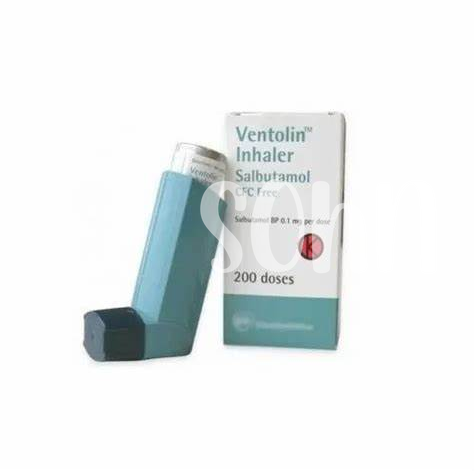
She notices relief fades faster each time she reaches for a ventolin inhaler; relief becomes expectation rather than rescue, and mild breathlessness feels urgent. Biologically, repeated short-acting doses can blunt responsiveness and encourage more frequent use, sowing the seeds of habitual reliance over several weeks.
Psychological cues, fear of an attack, routines, or nighttime waking reinforce the habit, making reduction emotionally difficult. Without adjusting controller therapy, cycles of temporary relief and increasing tolerance can produce more symptoms. A planned strategy with a clinician breaks the loop and restores balanced care.
Practical Steps to Cut Back Safely and Effectively
I remember the moment I reached automatically for my ventolin inhaler after a brisk walk; that click comforts yet masks tolerance. Start by tracking use in a simple log for two weeks—note triggers, activity, symptoms and time. Seeing patterns turns habit into data and gives you evidence to discuss with your clinician.
Next, make a plan: identify triggers, optimize controller medication, and learn breathing techniques to ease breathlessness. Set gradual targets—drop one puff every few days—and substitute actions such as short rest or paced breathing. If symptoms continue, seek medical review before reducing further. Measured change backed by monitoring and clinician support builds confidence and prevents relapse. Also review technique and keep rescue inhaler available.
| Step | Action |
|---|---|
| Track | Log uses and triggers |
| Reduce | Drop one puff every few days |
| Support | Consult clinician if symptoms persist |
Working with Your Clinician to Prevent Reliance
During a clinic visit, share an honest record of how often you reach for quick-relief puffs and describe the situations that prompt them. A clinician listens for patterns, checks inhaler technique, and assesses control to determine whether adjustments—adding or optimizing daily anti-inflammatory medication, refining trigger avoidance, or offering breathing-retraining—are needed to reduce acute use.
Together you can set measurable goals, plan stepwise reductions, and agree on a clear written action plan that includes criteria for when to resume extra doses and when to seek help. Regular follow-up, objective measures (peak flow or symptom scores), and education empower safer tapering and lower the chance of dependence while keeping breathing secure. Celebrate small wins and track progress.