
 Vidalista Myths Versus Facts: Debunking Common Misconceptions
Myth: Vidalista Provides Instant, Guaranteed Results
After swallowing a tablet, many imagine an immediate transformation. In reality, Vidalista requires time to dissolve, enter the bloodstream, and interact with vascular mechanisms; individual metabolism and food intake affect onset. Portraying it as instantaneous fuels impatience and false expectations.
Clinical evidence suggests onset typically takes thirty to sixty minutes, though some notice effects earlier and others later. Dosing, overall health, and concurrent medications all shape response. Framing success as guaranteed ignores variability and undermines safer, more realistic planning for sexual activity.
A pragmatic approach combines honest expectations, timing strategies, and consultation with a clinician. That way, patients optimize outcomes without relying on myths, and have clearer, safer experiences with the medication and realistic hope.
| Typical Onset | Key Factors |
|---|---|
| 30–60 minutes | Dose, food intake, metabolism, other medications |
Fact: How Vidalista Actually Works in Body
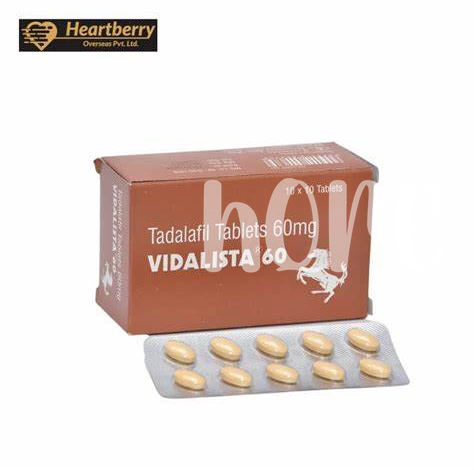
Imagine blood vessels as narrow city streets; when arousal triggers nitric oxide release, cGMP acts like a traffic controller that opens lanes. Vidalista blocks the enzyme PDE5, which otherwise clears cGMP, so those lanes stay open longer and blood flow into the penis increases. It doesn’t create desire — it amplifies the physical response once sexual stimulation has started — and timing varies with dose and individual metabolism and age.
After oral dosing vidalista is absorbed and reaches peak levels in about one to two hours, and its effects can last longer than some competitors, often up to 36 hours depending on formulation. Liver and kidney function, food intake, and certain medications alter blood concentrations. That’s why a healthcare provider tailors dose and timing: to balance effectiveness with safety, ensuring you get help when you need it without unnecessary risks.
Separating Vidalista Safety Concerns from Unfounded Fears
A friend once whispered worries about heart damage after hearing advertisements; the reality is more nuanced. Vidalista is a medication with established effects, not a mysterious toxin. Appropriate screening and dosing determine individual safety outcomes.
Regulatory approvals and clinical trials provide baseline reassurance, yet contraindications matter. Those with uncontrolled hypertension, recent stroke, or nitrate use need professional evaluation. Clear guidance helps allay fears.
Practical safety hinges on monitoring: blood pressure checks, discussing heart history, and reviewing medications. When used responsibly, serious adverse events are rare. Lifestyle adjustment and honest communication mitigate exaggerated myths in most patients with guidance.
If doubts linger, ask your clinician about alternatives and testing. Avoid unverified online purchases, and never mix vidalista with nitrates or unknown compounds. Informed decisions, not fear, guide safer choices for optimal outcomes and follow-up.
Common Side Effects: Reality Versus Exaggeration
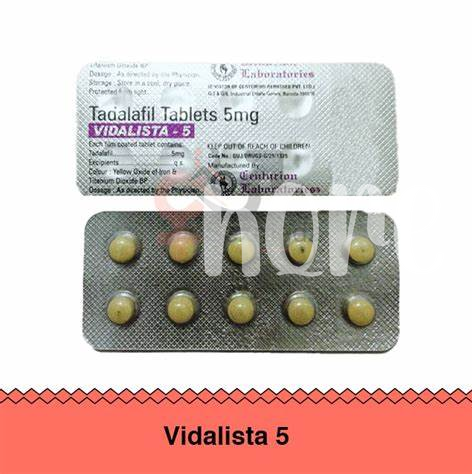
Many men expect dramatic consequences from taking vidalista, but the most common effects are usually mild and temporary. Headache, facial flushing, nasal congestion, indigestion and back pain are reported most often, typically resolving within a few hours as the drug is metabolized. These reactions are more likely at higher doses or when combined with alcohol, and they vary between individuals; for most users they are inconvenient rather than dangerous.
Serious events — prolonged erections, sudden vision or hearing loss, or chest pain — are rare but require immediate medical attention; priapism can cause permanent damage if untreated. Interaction with nitrates remains the most important safety concern, so disclose heart medications before using this treatment. A prescriber can adjust dose, suggest timing strategies, and screen for contraindications, turning potential risks into manageable precautions and helping users make informed choices and safety.
Interactions with Other Drugs: What Matters Most
A quick story: James planned a romantic evening but didn't tell his doctor about chest pains and the nitroglycerin prescribed. vidalista and nitrates together can cause dangerous drops in blood pressure, so disclosure matters. Think of interactions as conversations between medicines.
Clinically, watch for interactions with alpha-blockers, strong CYP3A4 inhibitors, and excessive alcohol; these alter effectiveness or safety. Timing, dose adjustments, and professional review usually resolve risks. Always disclose full medication lists, including supplements, and seek medical advice before combining treatments. Prompt reporting of side effects enables safer long-term use.
| Drug | Concern |
|---|---|
| Nitrate | Severe hypotension |
| Alpha-blocker | Added blood pressure drop |
Choosing Vidalista Dosage and Timing: Practical Evidence Based Tips
Start with a doctor: an initial consultation clarifies medical history, contraindications and realistic expectations. Standard starting doses vary by individual factors like age, liver function and other medications. Begin low, observe effects, and never double up to chase faster results.
Timing matters: oral absorption can be slowed by large or fatty meals, so take on a lighter stomach. People typically notice effects within thirty to sixty minutes, with longer activity at higher doses. Avoid heavy alcohol and nitrate-containing drugs, and discuss daily versus as-needed regimens with your trusted physician regularly.
Record responses and side effects for several attempts before changing dose. If adverse symptoms occur, stop and seek medical advice. Dosage adjustments should be gradual and guided by laboratory tests if necessary. Never share medication, and obtain it from reputable sources to ensure accurate strength and safe labeling and storage.