
 Combining Diet and Xifaxan for Better Outcomes
How Gut-friendly Foods Boost Antibiotic Effectiveness
A small bowl of broth felt like reassurance during therapy, calming the gut lining while improving absorption and patient comfort each day steadily.
Soluble fibers and prebiotic foods feed helpful bacteria, supporting antibiotic action and reducing collateral damage to microbial balance over weeks of therapy.
Moderate fat slows transit, improving local exposure, while adequate protein supports repair; tailor meals to medication timing for best results and recovery.
Colorful plants and fermented foods supply polyphenols and metabolites that synergize with treatment, while avoiding irritants helps maintain tolerance during therapy and beyond.
| Food | Effect |
|---|---|
| Broth | Soothes lining |
| Fiber | Feeds microbes |
Timing Meals and Doses to Maximize Symptom Relief

I used to dread midday flare-ups until my clinician suggested syncing meals and medication; taking xifaxan after a light, low-fat lunch often reduced bloating and urgency by afternoon. Small, predictable meals spaced every three to four hours keep digestion steady, and taking the antibiotic 30 to 60 minutes after eating can minimize gastric irritation while ensuring steady antibiotic exposure to the small intestine.
Track symptoms in a simple diary for a week to identify high-risk meals and align dosing accordingly; for some people evening dosing before a low-residue dinner worked best. Combining consistent meal timing with tailored medication windows creates a calmer daily rhythm and clearer feedback for future adjustments and measurable, sustained symptom control.
Probiotics, Prebiotics, and Fermented Foods: Smart Use
A gentle routine of live cultures can feel like company for a recovering gut, but timing and strain matter. During xifaxan therapy, choose well-studied strains and wait a few hours after dosing to avoid interference. Small, consistent servings help rebuild balance without overwhelming the system.
Fermented foods add variety, but introduce them gradually and monitor symptoms; their prebiotic fibers feed helpful microbes only when the environment suits them. If bloating or discomfort rises, scale back and prioritize targeted supplements until tolerance improves, then reintroduce diverse, fiber-rich options for lasting resilience.
Dietary Triggers to Avoid during Treatment
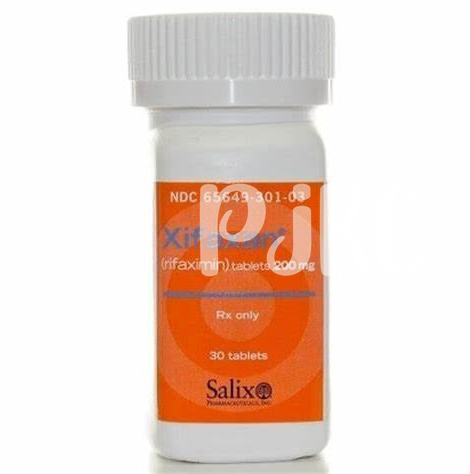
Imagine shrinking your symptom list simply by steering clear of certain foods while taking xifaxan. Skip high FODMAP items like garlic, onions, apples and beans that feed gas producing bacteria and worsen bloating. Limit alcohol and caffeine, they irritate the gut lining and can amplify diarrhea, undermining the antibiotic’s benefit.
Also skip greasy, fried or highly processed meals and artificial sweeteners such as sorbitol and mannitol, which can trigger laxative effects. If lactose causes you discomfort, cut dairy temporarily. Sugary snacks promote dysbiosis that blunts recovery. Track what provokes symptoms, choose bland, low FODMAP options during treatment, and consult your clinician before reintroducing offenders. Small, frequent meals often ease discomfort while antibiotics work and recovery.
Personalizing Meal Plans Around Symptom Patterns
In my clinic I ask patients to map when pain, bloating or urgency hit: morning, post-meal or late night. That simple diary turns abstract discomfort into patterns we can address with food choices and xifaxan timing, creating fewer surprise flares.
Use pattern-based swaps: if fats provoke evening pain, shift heavier meals to midday and favor steamer vegetables; if lactose triggers after dairy breakfasts, try plant-based alternatives. Coordinate meals and antibiotic doses so symptoms ease when xifaxan peaks, and test one change at a time.
Keep notes on timing, triggers and mood to refine a plan that fits your life; review weekly and adjust with your clinician.
| Symptom | Meal tweak |
|---|---|
| Post-meal bloating | Smaller portions, peppermint tea, low-FODMAP veg, lean proteins, cooked grains |
| Nighttime urgency | Earlier dinner, lower fat, bland carbs, avoid caffeine |
| Variable abdominal pain | Log fiber, try probiotics post-xifaxan |
Long-term Strategies for Gut Resilience Post-treatment
After finishing a course of rifaximin, think of recovery as a slow walk, not a sprint. Focus on gentle, diverse foods—fiber from vegetables, fruits, legumes, and modest whole grains—to nurture microbial variety. Steady, small improvements in diet support long-term balance.
Reintroduce potential triggers gradually and track symptoms; keeping a simple food-symptom diary helps identify tolerances and patterns. Regular physical activity, adequate sleep, and stress-reduction practices like breathing or yoga encourage resilience.
Consider maintenance probiotics chosen for evidence-based strains, and discuss supplements with your clinician. Periodic follow-up testing or symptom reviews can guide adjustments so your gut community rebuilds stronger over time. Aim for moderate diversity and patience in rebuilding your microbiome over weeks and months.